What is a healthcare team?
A healthcare team is made up of different specialists. They will monitor growth, help manage complications, and give support.
Your child’s team may include:
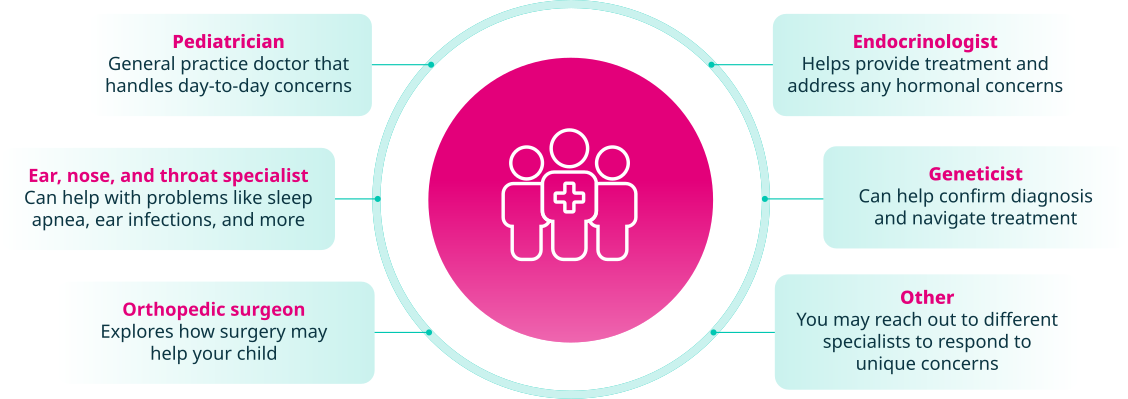
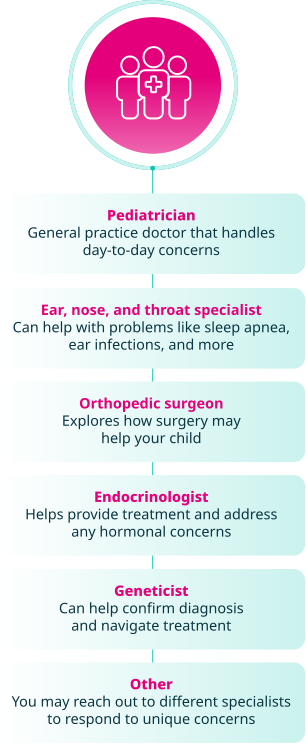

A healthcare team is made up of different specialists. They will monitor growth, help manage complications, and give support.
Your child’s team may include:
Establishing a diagnosis of achondroplasia is often one of the first steps in a child’s care journey. It helps families understand what to expect, access the right medical support, and connect with specialists who can guide them through their child’s growth and development.
From infancy through adolescence, parents will work closely with healthcare professionals to guide crucial care decisions for their child with achondroplasia.
A child’s care pathway may include:

Your child’s healthcare team will be made up of different medical specialists.
Early detection of new or worsening symptoms can help the healthcare team provide the right support at the right time.
It’s important to ask questions and explore new possibilities. You know your child best, and your healthcare team can help you understand if your child’s current care is meeting their needs.
You may want to know:
Early signs of complications may not always be obvious. Staying engaged with your child’s healthcare team is essential to help ensure early detection and the best long-term outcomes.
Fill out the form below to stay updated with important information and resources about achondroplasia.